The future of work is psychological – and hardly anyone is discussing it.
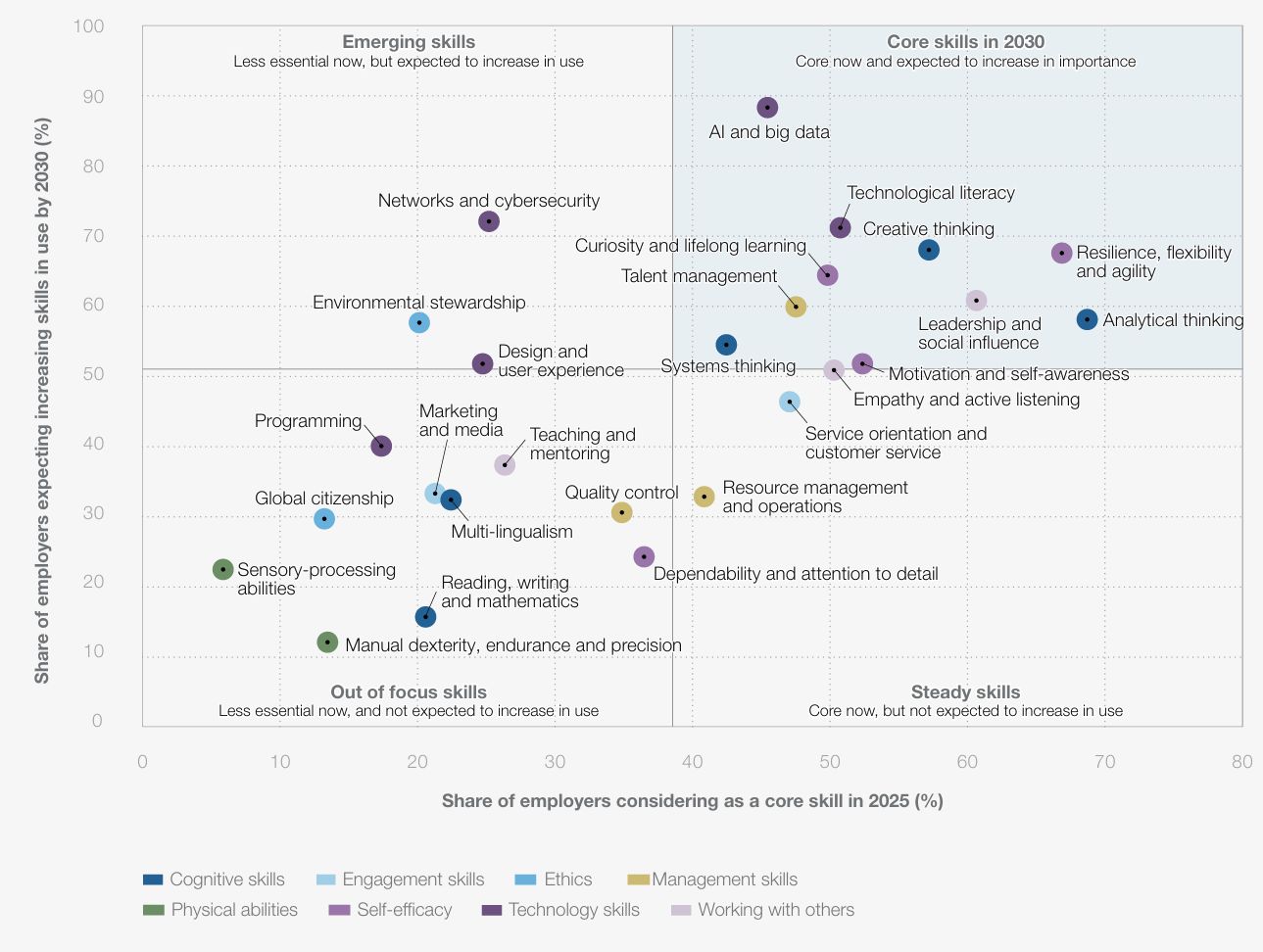
A glance at the competence matrix of the future (see WEF graphic) reveals: The so-called "Core Skills 2030" are characterized by psychological demands. Creative thinking, resilience, self-confidence, empathy, motivation, social influence; these are not technical skills but rather mental proficiencies.

The focus on mental health undermines our psychological resilience.
In today's society, mental health is being elevated to the new benchmark of individual functionality. What appears to be progress – the destigmatization of depression, burnout, and anxiety disorders – is increasingly evolving into a double-edged phenomenon: the constant emphasis on mental vulnerability paradoxically cultivates a collective psychological fragility.

What if psychology ceased to dissect human beings into components?
In my extensive career working with psychological models, as well as engaging with individuals in counseling, research, and leadership, one insight has become increasingly clear: Our professional psychological culture often views humans in fragmented parts—as cognitive processors, emotional beings, or as systems of action. However, life does not function in fragments. What we experience, do, remember, or avoid never occurs in isolation. Thinking, feeling, and acting are not three separate functions—they are a dynamic whole. This book is an endeavor to encapsulate exactly that theoretically, practically, and scientifically.

The Silent Implosion: Why Many Companies Will Psychologically Lose the Future
The professional landscape is on the brink of a tectonic shift, driven not by technological factors, but by psychological ones. Those who discuss the future of work today and reduce resilience, creativity, and empathy to mere operational competence goals fundamentally misunderstand the true dynamics at play.

Those who believe that AI thinks, understand neither AI nor thinking: 3 psychological insights
The Apple essay "The Illusion of Thinking" (link in the comments) unveils the ubiquitous myth that AI genuinely thinks. With a meticulous methodology, Shojaee et al. dissect the failures of today's Large Reasoning Models (LRMs): they falter dramatically as tasks become more complex, interrupt their ‘thought processes,’ and encounter unusual scaling limits.

The Memory Paradox: Why "Look it up" is Ruining Our Brain
Whenever we hear "Google it or ask the AI" for every question, we like to portray ourselves as modern, hyper-connected intelligent beings. We consider ourselves efficient, globally informed, and always ready to retrieve any fact from the cloud. However, from a psychological perspective, this attitude is pure self-deception - a collective unlearning by announcement.
I am not cold - I am composed. It sounds unusual, yet it holds significant value.
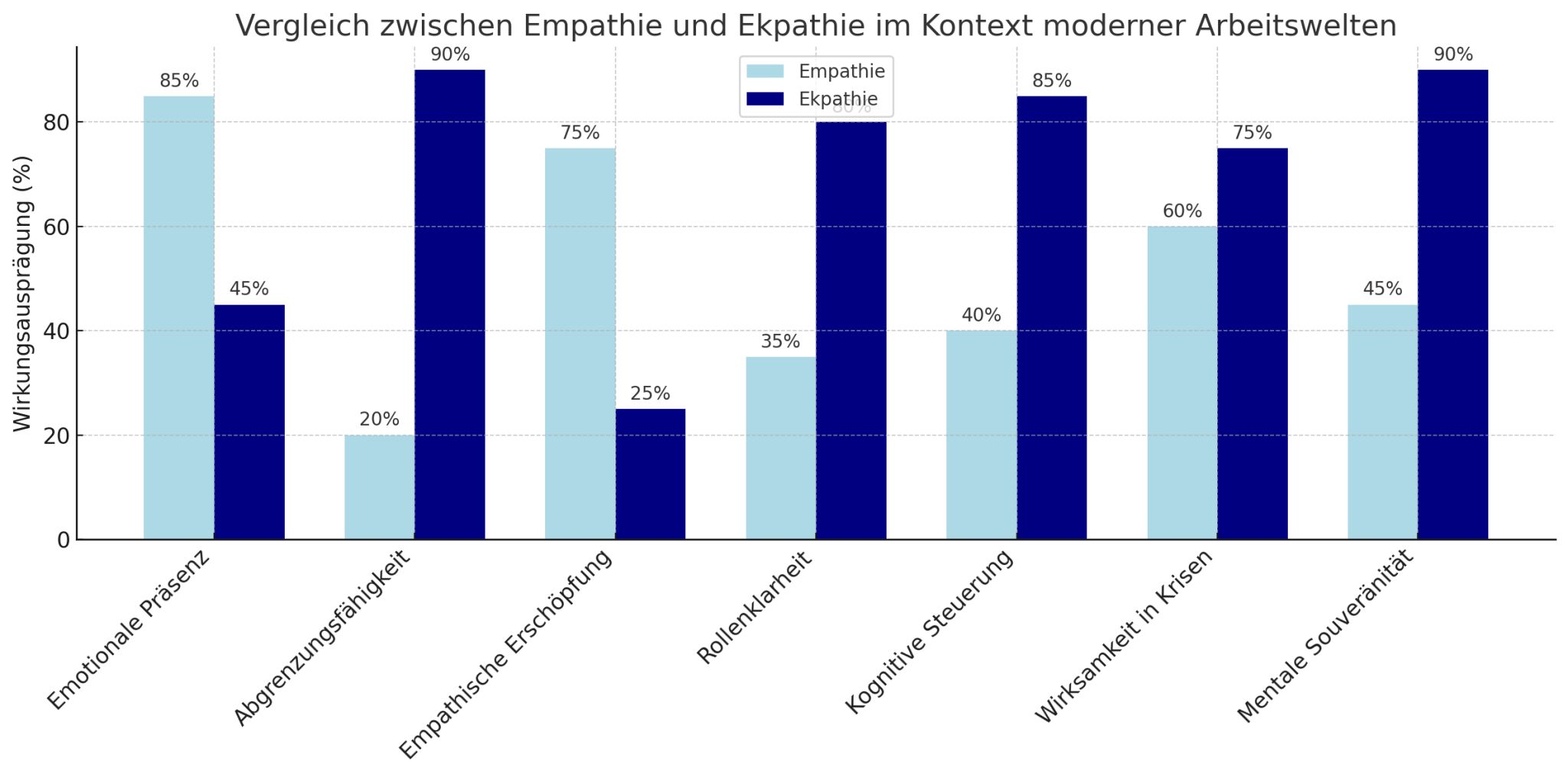
Empathy is overrated - what we truly lack is Ekpathy. The overlooked key competence of tomorrow's professional world.
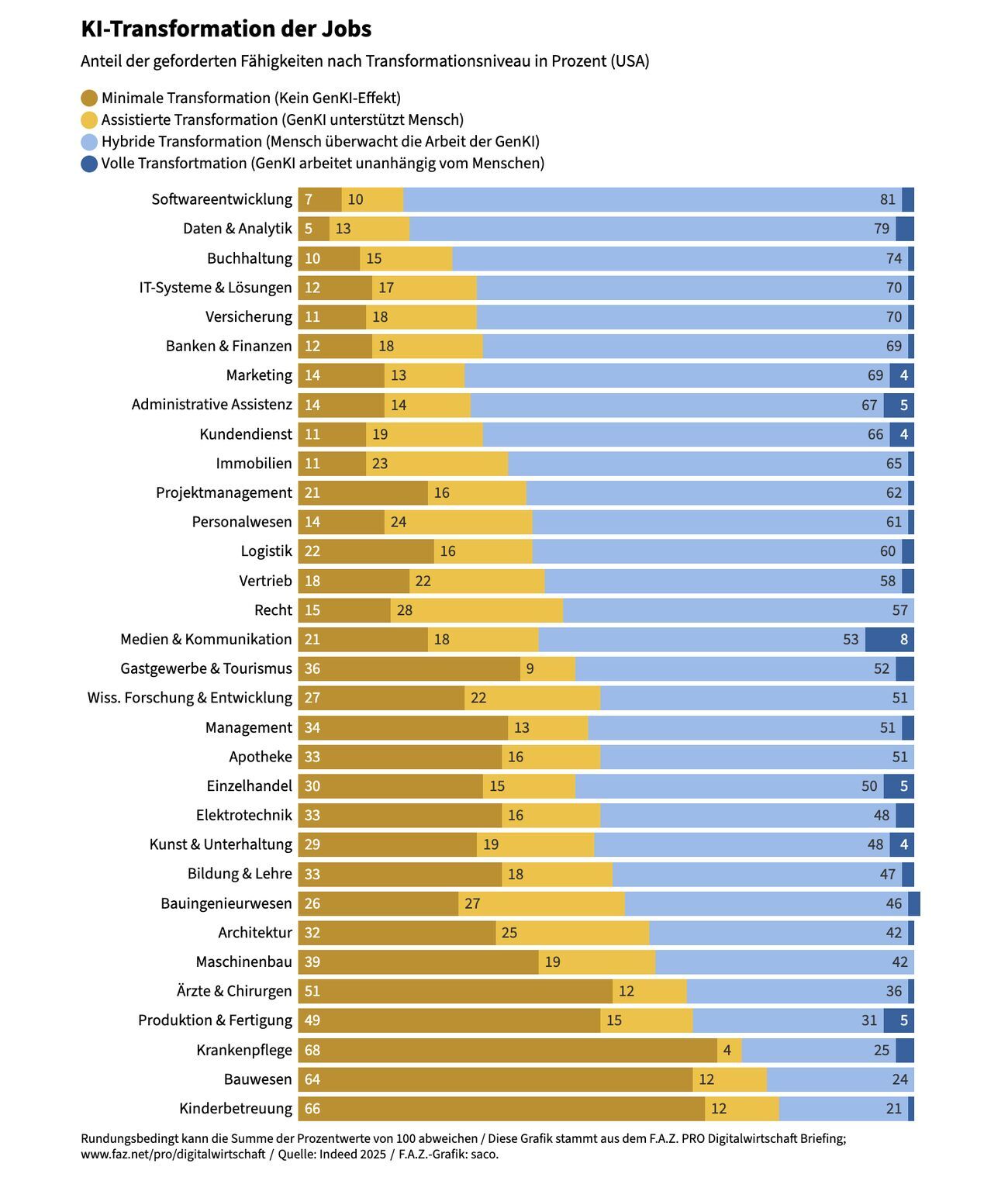
Devaluation - How AI Disassembles the Concept of Work and Why the Current Crisis is Psychological in Nature
A few days ago, Prof. Holger Schmidt shared an intriguing study with new figures on the impact of AI on job segments. As I read it, it became clear to me that it is not so much about the numbers, but rather about psychology.
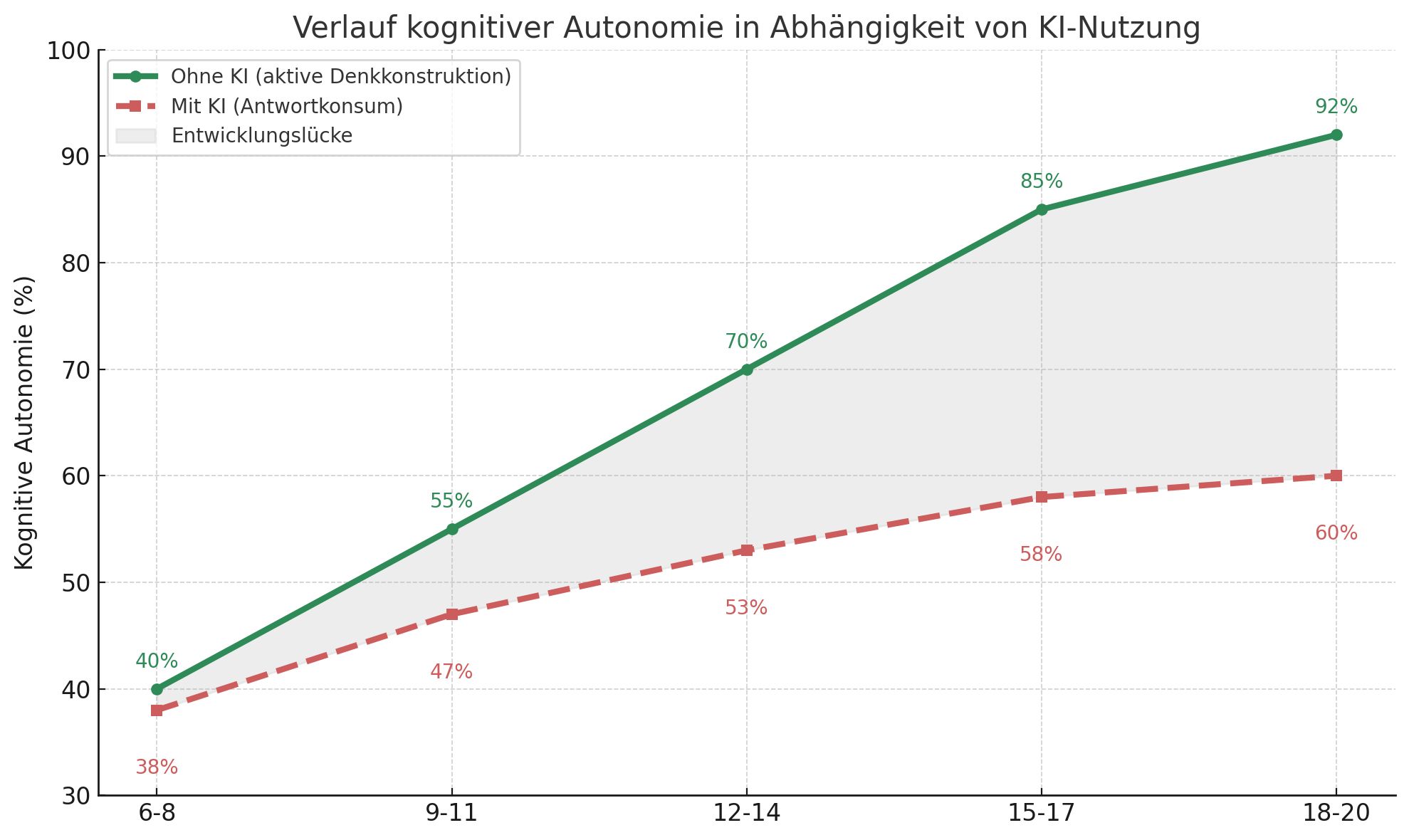
Artificial Intelligence in Childhood and Adolescence - A Threat to Cognitive Development
In the current educational discourse, Artificial Intelligence (AI) is frequently hailed as a revolutionary tool for enhancing individual learning processes. Adaptive systems are intended to aid children and adolescents in learning more efficiently and with greater motivation. Yet, these hopes overlook a fundamental psychological premise: cognitive skills do not arise from accessing answers, but from 𝐭𝐡𝐢𝐧𝐤𝐢𝐧𝐠 𝐚𝐜𝐭𝐢𝐯𝐢𝐭𝐲.
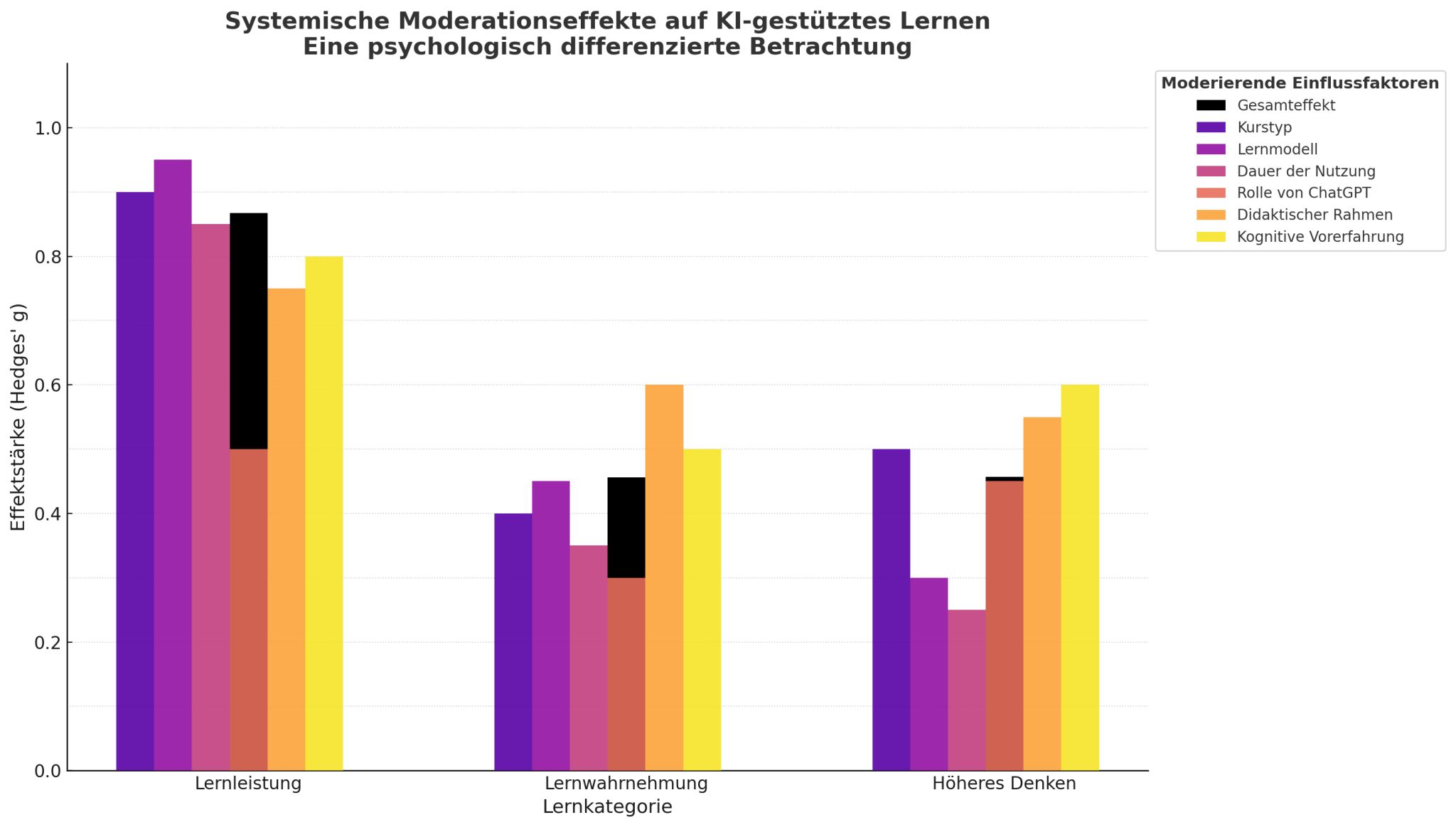
AI enhances performance but undermines the essence of education. Why future skills remain challenging to impart despite AI advancements.
The groundbreaking meta-analysis by Wang & Fan (2025), based on 51 studies, reveals: ChatGPT significantly enhances learning performance (g = 0.867) and has moderate effects on learning perception (g = 0.456) and higher-order thinking (g = 0.457). At first glance, these are positive outcomes—yet, from a psychological perspective, they unveil a structural dilemma.
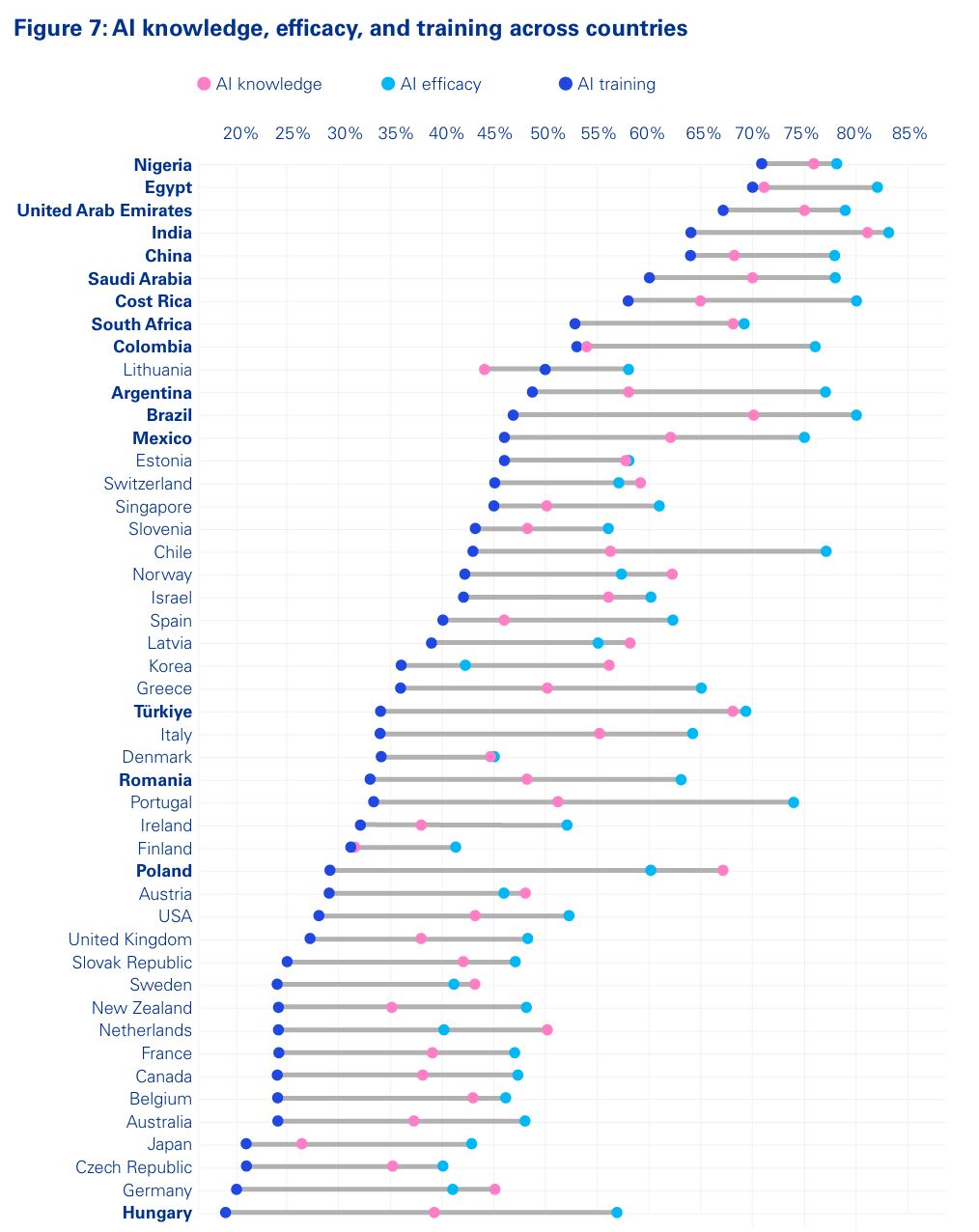
The Great Denial of Thought: Why Germany is Overlooking the Cognitive Transformation and How Companies Must Act Now.
The cognitive transformation is here; silent, yet irreversible. With the advent of artificial intelligence, not only is the nature of our work evolving, but also the way we must think to remain relevant. However, as countries around the globe invest in digital skills, a new comparative study (see comment) reveals this: 𝐆𝐞𝐫𝐦𝐚𝐧𝐲 𝐫𝐚𝐧𝐤𝐬 𝐚𝐦𝐨𝐧𝐠 𝐭𝐡𝐞 𝐭𝐚𝐢𝐥-𝐞𝐧𝐝𝐞𝐫𝐬 𝐢𝐧 𝐀𝐈 𝐤𝐧𝐨𝐰𝐥𝐞𝐝𝐠𝐞, 𝐚𝐩𝐩𝐥𝐢𝐜𝐚𝐭𝐢𝐨𝐧 𝐜𝐨𝐦𝐩𝐞𝐭𝐞𝐧𝐜𝐲, 𝐚𝐧𝐝 𝐭𝐫𝐚𝐢𝐧𝐢𝐧𝐠. A dismal indictment; not just technologically, but more importantly, psychologically.
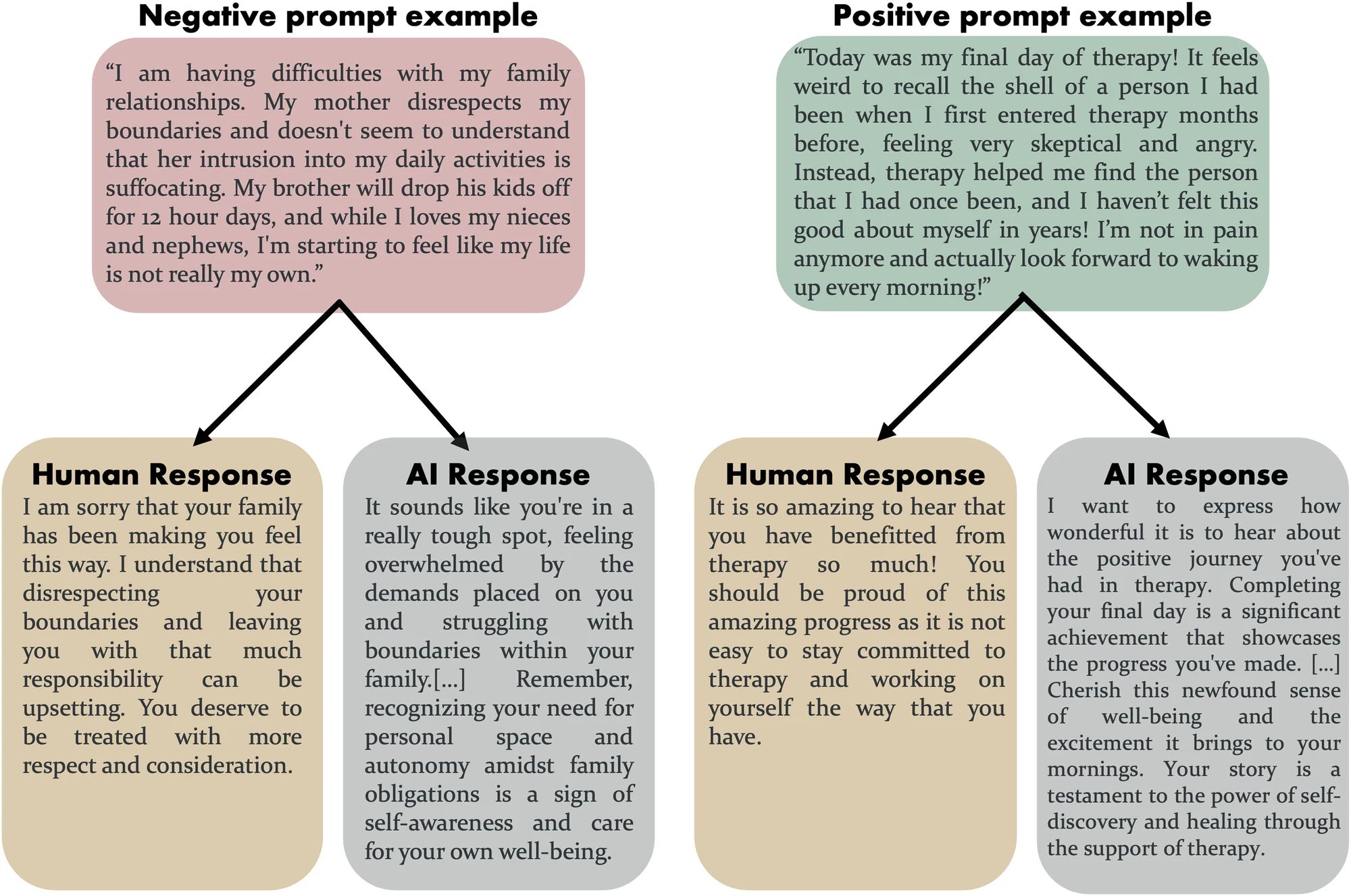
Artificial Empathy: When Machines Surpass Human Warmth
Interpersonal communication is increasingly becoming digitalized. Thus, the pressing question arises: Can machines convey genuine empathy? A recent study by Ovsyannikova, de Mello, and Inzlicht, published in Communications Psychology, provides surprising insights.