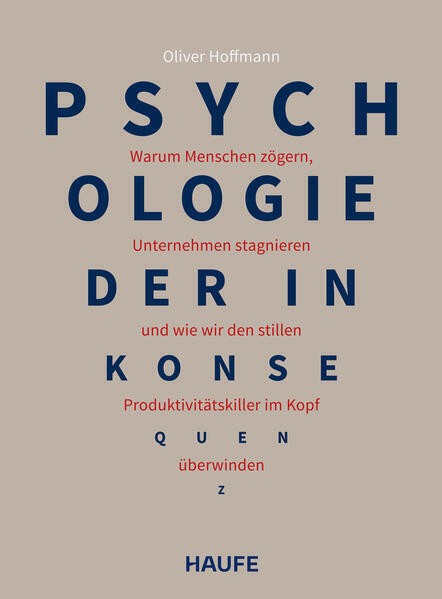
The Psychology of Inconsistency
Each year, companies lose millions due to untapped potential and uncompleted tasks. On the other side, individuals suffer from their own unreliability. In his book, Prof. Dr. Oliver Hoffmann reveals the hidden causes of inconsistency and demonstrates how emotional impulses and unconscious thought patterns sabotage our actions. Through scientifically-based strategies, he assists in overcoming these barriers to act more consistently and purposefully. Simple techniques such as self-commitment, small steps, and well-considered decision architectures are presented, which can sustainably transform personal behavior and corporate success.
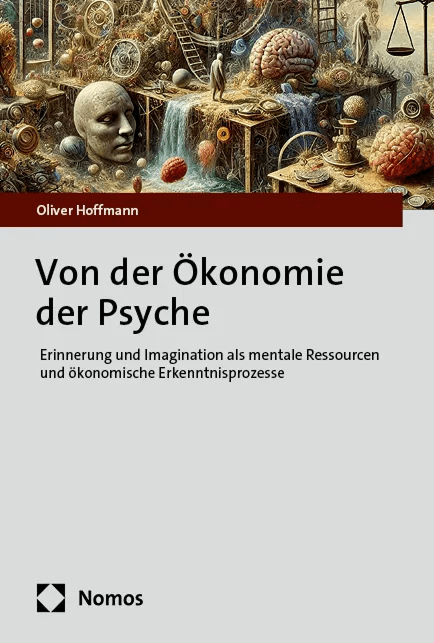
The Economy of the Psyche
Discover the central importance of memory and imagination as mental resources in Oliver Hoffmann's 'Von der Ökonomie der Psyche'. This book offers a comprehensive analysis of the economic principles of internal processes and presents innovative strategies for enhancing personal and cognitive development. Hoffmann's work merges psychological and economic perspectives, providing invaluable insights for the effective utilization of mental resources. This groundbreaking work is intended for professionals and enthusiasts who wish to deepen their understanding of the complex interplay between mind and economy.
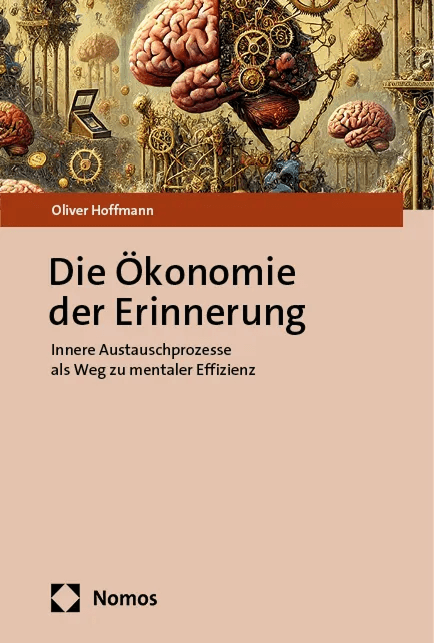
The Economy of Memory
Memories are more than just a glance back — they are the key to shaping our inner world. This book illustrates how memories, imagination, and narration can be harnessed as resources to make mental processes more efficient and foster personal transformation. With practical methods, this work provides a guide to better understanding one's inner world and enabling sustainable changes in thinking, feeling, and acting. Prof. Dr. Dr. Oliver Hoffmann is a leading expert in economic psychology and innovation, whose work redefines the connection between memory, mental efficiency, and personal transformation.

Reimagining Innovation
Oliver Hoffmann presents a contemporary and holistic perspective on innovation and its universal application to achieve market success for products. He utilizes an analysis of the long-term innovation history within the watch industry and its developmental dynamics to extract key success factors and leverage points through numerous cluster examples. These insights reveal the elements that ensure the sustained success of the industry and can be applied to other sectors as well.
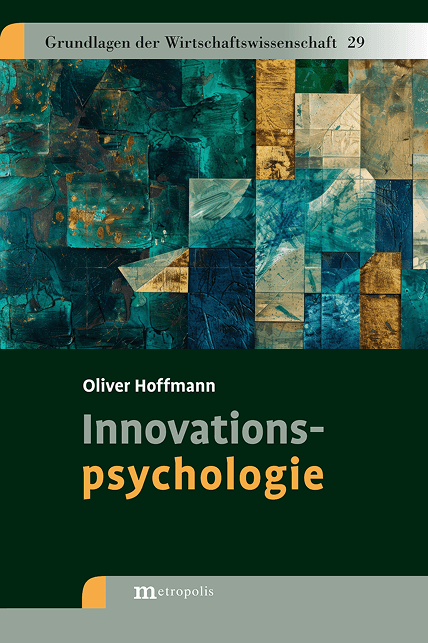
The Psychology of Innovation
The dynamics of innovation diffusion intersects with the complexity of human psychology: This book elucidates how innovation not only drives technical achievements forward but is deeply ingrained in the minds of people. It demonstrates how psychological mechanisms determine the creativity, acceptance, and dissemination of innovations, and why understanding these mechanisms is crucial for sustainable success. From the beginnings of technology diffusion to modern innovation psychology, Oliver Hoffmann analyzes the interaction between human behavior and technological advancements. It encompasses more than just functional innovation – it involves the emotional and social power that anchors innovation in society. With a unique focus on psychosocial dynamics, this work combines theory with practical approaches and provides insights into how innovations are born, establish themselves, and ultimately transform markets and mindsets. A book for all those who not only want to understand innovation but also wish to shape it.
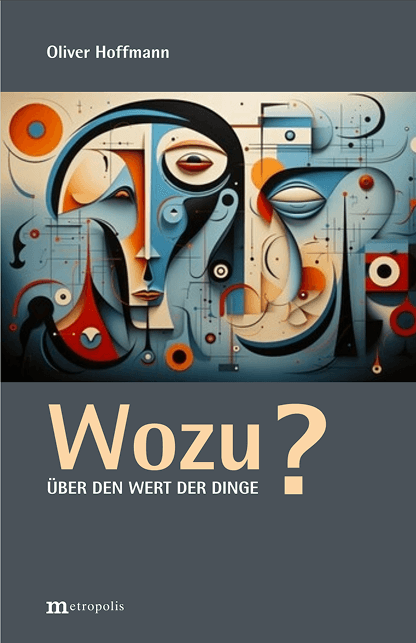
For What Purpose? On the Value of Things
"Why? On the Value of Things" is an invigorating exploration through the economics and psychology of our interaction with objects. In a world characterized by abundance, this book poses the provocative question of the purpose and necessity of our consumption. Why do we own so much we do not need? Why do we associate our worth and happiness with the items that surround us? And how does this dynamic influence society and ecology? The book delves into the relationship between value, ownership, and usage, illuminating the mechanisms of modern consumerism and demonstrating how a shift in perspective can lead to enhanced personal quality of life and sustainability. "Why?" not only prompts reflection but also offers practical approaches to reconsider our personal relationship with possessions and to assign a new significance to the objects in our lives. "Why? On the Value of Things" is a comprehensive and inspiring guide for all those seeking individual clarity and social purpose in an overabundant world.
Psychology and Strategy in Business Planning
A business plan is much more than just a structured document: it is a mental tool that reflects an entrepreneur's mindset, risk appetite, and strategic adaptability. Successful business planning requires not only thorough market analysis and precise financial planning, but also an understanding of the psychological mechanisms that influence entrepreneurial decisions. Business planning is not only about strategy but also psychology. Cognitive biases, emotional decision-making processes, and unconscious assumptions significantly shape the realism and feasibility of a plan.

Holistic Psychology: The Integration of Cognition, Emotion, and Action
Modern psychology is fragmented—cognitive, behavioral, psychoanalytic, and humanistic approaches vie for interpretative supremacy. But what if these are not oppositions, but building blocks of a greater whole? This book proposes an integrative model that unites cognition, emotion, and action. It demonstrates that humans do not merely think, feel, or react—they are dynamic systems consciously shaping their reality. A revolutionary perspective for scientists, therapists, and all who wish to explore psychology further.
Rethinking Consumption
Liberated from the Constraints of Consumerism – A Guide to a More Conscious Life In a world where consumption is ubiquitous, we often unwittingly become prisoners of our purchasing habits. Rethinking Consumption is an invaluable guide for those seeking to question, comprehend, and sustainably alter their consumption behaviors. This masterpiece provides a clear delineation of the mechanisms driving consumer and luxury addiction, from psychological underpinnings to societal influences. Through concrete exercises, checklists, and strategies, you will learn to manage impulsive purchases, organize your finances, and lead a life beyond superfluous consumption. Explore alternative lifestyles such as minimalism and mindful consumption to ultimately achieve freedom, fulfillment, and a balanced equilibrium between having and being. This guide demonstrates that a self-determined life amidst consumerism is attainable—and shows you how to achieve it step by step.
The requisite addiction
Few addictive behaviors in modern Western society are growing as rapidly as consumer addiction. No wonder – it is economically desired, even necessary. Precisely this makes it particularly dangerous. The effects of consumer addiction (including its variant, luxury addiction) can be devastating – both economically and socially. This book examines consumer addiction from both an economic and psychological perspective. It highlights causes, symptoms, and individual risk factors. Building on this, detailed characteristics are developed to promote individual solutions and a robust consumer competence. The latter is essential for living healthily and freely within a consumerist societal framework. The dependency on consumption is ingrained in the economic system – yet the personal consequences should be determined by us. A book about a hidden, yet omnipresent problem: consumer addiction is the "necessary addiction."

The Psychology of Artificial Intelligence
In a world where Artificial Intelligence (AI) is increasingly integrated into our everyday lives, this book poses the critical psychological questions: - How does AI influence our thinking, perception, and relationships? - What effect does the interplay between humans and machines have on our psyche? - And can machines ever replicate—or even surpass—human emotions, creativity, or morality? The book explores the psychological mechanisms triggered by human-machine interaction and delves into whether machines can develop their own consciousness. It examines the potential risks and opportunities that arise as we delegate more decisions and emotional connections to AI systems.

The Evolution of Luxury
Luxury – a concept that has gleamed, enticed, and simultaneously perplexed through the ages. In a world where supposed exclusivity has become a mass phenomenon, this book poses the pivotal question: What is luxury truly? 'The Evolution of Luxury' embarks on a journey through the history of luxury goods, tracing from the first symbolic artifacts of antiquity to the digital economy of today. However, it delves deeper than mere wealth and status symbols. This book dissects the cultural, psychological, and economic mechanisms underpinning our desire for the extraordinary. It reveals how luxury not only mirrors social order but actively shapes it – as a catalyst for innovation, a tool of power, and an indicator of societal crises. What occurs when luxury becomes the norm? Is there an end to desire? In an era where sustainable consumption and the mindful use of resources are at the forefront, 'The Evolution of Luxury' urges a radical rethinking. It is a book for those who wish to discern the true value of things and redefine luxury beyond materialism. Provocative, profound, and enlightening – an indispensable read for anyone wishing to understand why we desire what we desire.
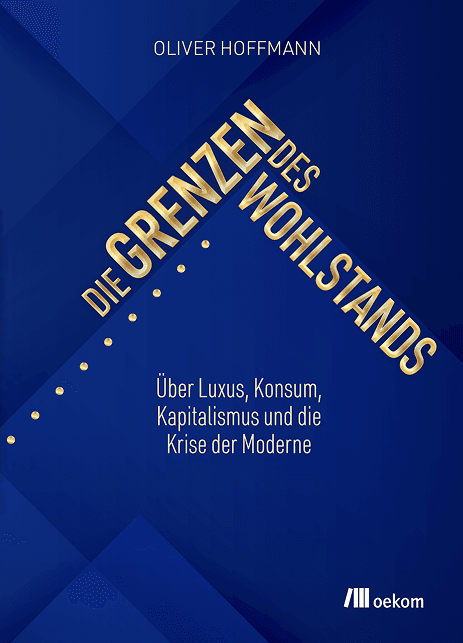
The Limits of Prosperity
What does prosperity mean in a world that lives in abundance and yet is never satisfied? This book provides a concise analysis of modern society and reveals the psychological, economic, and social mechanisms that shape our understanding of wealth. It illuminates how capitalism and consumerism mold our values and questions the role of luxury as a status symbol. With a keen insight into the crisis of modernity, it invites us to recognize the limits of wealth and explore new avenues for a sustainable, meaningful life. For true wealth begins where possession ends – in meaning, contentment, and social responsibility. A profound reflection on the challenges and opportunities of our time.
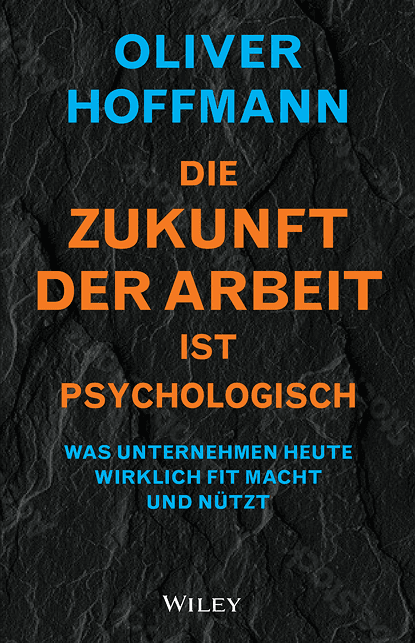
The future of work is psychological
The skills of the future are psychological states, not tools. While companies speak of resilience, creativity, and self-management, they overlook the psychological prerequisites that make these abilities possible in the first place. This book demonstrates why true transformation begins with psychological self-awareness and develops a new perspective on the mental economy of the workplace of tomorrow. Prof. Oliver Hoffmann reveals the silent crisis behind the skill hype. In his book, he introduces the model of internal economy, which views humans as a dynamic resource system composed of emotions, memories, and imagination. Psychological states such as self-regulation, clarity, and resonance are analyzed as central carriers of future work capability. The future of work will not be determined by technologies but by the psychological constitution of the people who operate within it. Those who desire innovation must create mental infrastructure. Those who demand flexibility must open emotional spaces. Those who expect resilience must take collective exhaustion seriously. This book advocates for a radical reevaluation of the future debate: away from training sessions, towards introspective development. It shows concrete ways in which companies, educational systems, and leadership can design new psychological spaces—and why true transformation begins not externally, but internally.

The Economy of Aggression
Oliver Hoffmann views aggression as a driving force that shapes conflicts and enables transformation. In his book, he develops a new model of aggressive dynamics from psychological, economic, and societal perspectives and elucidates how productive forms of aggression open new avenues for action. An intriguing work at the intersection of psychology, economics, and societal analysis.
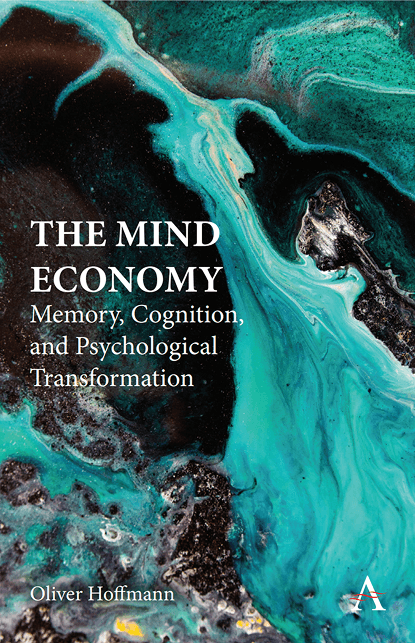
The Intellectual Economy
The Mind Economy redefines our comprehension of the mind, treating it as a sophisticated economic system wherein memory is a pivotal and invaluable asset. By amalgamating insights from psychology, philosophy, neuroscience, and economics, Professor Oliver Hoffmann unveils a revolutionary framework for contemplating cognition, identity, and self-development. Central to the book is the notion that memory, narration, and imagination are dynamic, interchangeable forces structuring our internal world and guiding our decision-making processes. With insights ranging from ancient philosophy to modern neuroscience, Hoffmann delineates a novel approach called 'economic cognitive therapy,' presenting practical methodologies for self-regulation, emotional integration, and optimizing mental efficiency. This model intricately incorporates support systems like yoga, meditation, and cultural immersion, offering readers a comprehensive pathway to personal transformation. The book stands as indispensable literature for psychologists, therapists, and anyone yearning for an enriched understanding of the mind's inner machinations—and methods to engage with them.
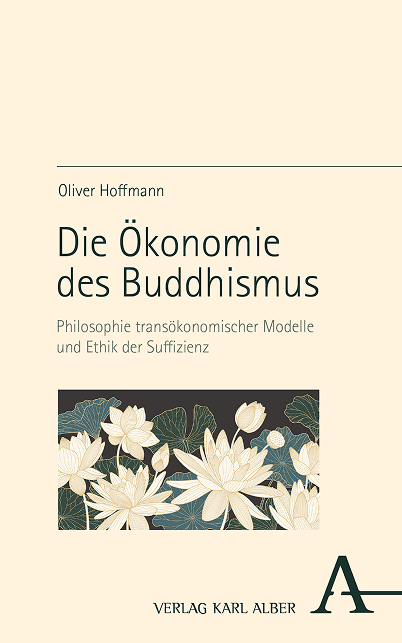
The Economics of Buddhism
"The Economics of Buddhism" explores the transformative power of Buddhist principles in the context of modern economy and ethics. Prof. Dr. Dr. Oliver Hoffmann intertwines profound philosophical reflection with economic analysis to illustrate how mindfulness, frugality, and interdependence offer alternative paradigms to materialistic growth and consumer compulsion. This work challenges the fundamental assumptions of Western economic systems and presents a well-founded vision for sustainable living and collective responsibility. With scholarly precision and philosophical depth, the book makes a significant contribution to the discourse on a more equitable and mindful world.

The Economics of the Gift
Giving is more than generosity – it is an act with profound social, cultural, and economic ramifications. This book illustrates how gifting creates trust, structures communities, yet also engenders dependencies. It scrutinizes gifting rituals from indigenous cultures to the digital economy and inquires: Can a society exist beyond the market? With a transdisciplinary approach, the volume merges philosophical, sociological, and anthropological perspectives. It targets those who wish to rethink economics, relationships, and morality. Prof. Dr. Dr. Oliver Hoffmann researches the psychological, social, and cultural foundations of economic behavior.

Psychology and Economics of Change
What transpires when the old world perishes and the new one is yet to be born? During these transitional times, not only do political and economic systems become destabilized, but the psychological order of individuals and societies is also profoundly shaken. This book delves into these interim moments, described by Antonio Gramsci as 'interregna', from both psychological and economic perspectives: as phases of disorientation, where 'monsters' emerge—charismatic figures, dysfunctional systems, and symbolic mirrors of collective fears. In this interdisciplinary work, Oliver Hoffmann analyzes the dynamics of societal transitions, the psychological mechanisms of collective uncertainty, and the economic vacuum that forms when old paradigms disintegrate and new ones have yet to take hold. He eloquently integrates philosophy, depth psychology, and systems theory into a compelling panorama of the present—emphasizing that the monstrous aspect of our era is not mere decay, but both a symptom and an opportunity. This is a book for those who wish not only to comprehend the crises of our epoch but also to shape them.

Polycrisis: Anatomy of a Global Disintegration
We are living in an era of polycrisis—a world where ecological, economic, political, and social crises mutually intensify each other. This book analyzes the causes, dynamics, and potential solutions to global instability. With interdisciplinary depth, philosophical foresight, and practical relevance, Oliver Hoffmann illustrates why we must reconsider our approach—and how we can discover paths to resilience, transformation, and a new understanding of the future.
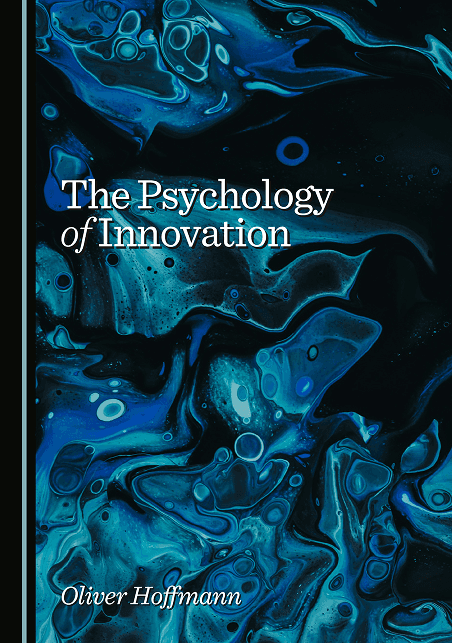
The Psychology of Innovation
Innovation is frequently hailed as the bedrock of advancement, reshaping industries, propelling technology, and transforming societies. Yet, at its essence, innovation is intrinsically human—a sophisticated amalgam of creativity, motivation, risk-taking, and psychological insight. This book embarks on a journey through this oft-neglected facet, presenting an avant-garde framework that seamlessly integrates psychology into the realm of innovation. The author ventures into the mental and social dynamics that fuel creativity and diffusion, underscoring how our cognitive and emotional processes impact the acceptance and triumph of novel ideas. By examining the pitfalls of cognitive biases and delving into the significance of imagination, motivation, and societal norms, it offers a comprehensive perspective that reimagines innovation as far more than merely an economic or technical phenomenon. Whether you are a corporate leader, a scholar, or an individual intrigued by the forces sculpting our era, this book provides pragmatic insights and instruments to cultivate creativity and adeptly navigate the intricate terrain of contemporary innovation.
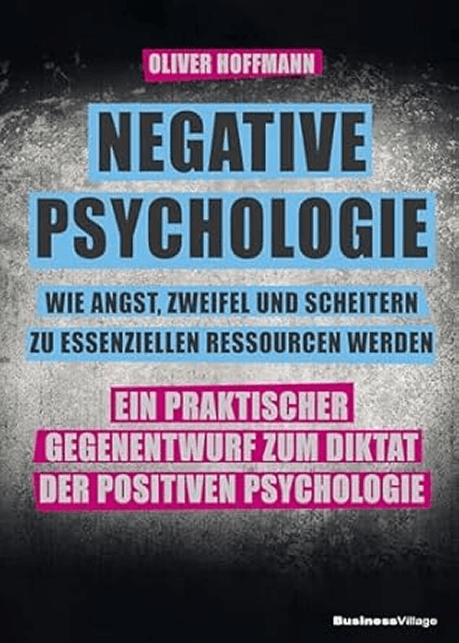
Advanced Principles of Psychology
Modern psychology has pledged itself to the positive—happiness, self-efficacy, mindfulness, resilience. Yet, systematically ignoring what seems unpleasant, irrational, or destructive has a perilous downside. How did it come to this? Why have we eradicated negative emotions? Oliver Hoffmann's new book provides answers. Based on psychological, evolutionary-biological, and philosophical insights, it demonstrates that fear, anger, doubt, and resignation are not deficiencies but functional resources within the system of mental economy. They are not disturbances but signals, storages, and transformers of inner processes. Cognitive pessimism guards against self-deception, guilt, loss of control, and resignation. Relentlessly honest, Hoffmann exposes the doctrine of Positive Psychology and presents a radically positive perspective on the psychological function of 'negative' thoughts, emotions, and behavioral patterns as essential resources. Beyond therapeutic promises and coaching rhetoric, this book offers a profound psychological counter-model: shadow work as a form of mental efficiency. Skillfully, Hoffmann blends grounded science with socially critical impulses to forge a new ethic of self-leadership.
